Why Your Apprentice Is Busy — But Not Actually Progressing

Melissa Elite Hair • May 4, 2026

The Gap Nobody Talks About

There's something I see in salons all the time, and I want to be really honest with you about it. 


The apprentice is busy. They're washing hair, sweeping floors, assisting on clients. The salon is full of activity. Things look fine on the surface. 


But when a real client sits down and asks for a haircut? 


They freeze. 


Not because they're lazy. Not because they don't care. But because nobody has actually taught them how to cut hair in a way that sticks. 


This is the confidence gap. And it's more common than most salon owners realise. 


If you're looking for structured haircutting workshops for apprentices in Australia, this is exactly what Scissor Licence was built to solve. Book your spot here. 


What TAFE Doesn't Have Time to Cover 


TAFE and RTO qualifications are essential. They give apprentices the foundation they need to enter the industry properly, and I'd never suggest skipping them. 


But here's the reality. 


TAFE covers a lot of ground across a Cert III. Consultation. Colour. Client service. Communication. And while haircutting is included, there simply isn't enough time to go deep. Not deep enough to build the kind of confidence and muscle memory that shows up reliably behind the chair. 


That's not a criticism of TAFE. It's just the truth about what a formal qualification can and can't do. 


Scissor Licence exists to fill that gap. It's not a replacement for TAFE — it's the hands-on haircutting education that runs alongside it, covering the skills that formal training doesn't have time to go deep on. 


Techniques like personalising a cut for the client in the chair. Understanding the why behind every section, not just the how. Building the repetition that creates real consistency. These are the skills that turn a qualified apprentice into a confident cutter. 


The Real Cost of the Confidence Gap 


Most apprentices aren't lacking talent. They're lacking structure. 


And when structure is missing, here's what happens. Apprentices spend months second-guessing themselves. Redos increase. Seniors spend more time correcting than creating. And clients who don't get the finish they were expecting quietly don't rebook. 


Every redo costs you time. Every hesitant apprentice costs your salon money. 


As one of my recent students put it: "I feel like I was just winging it before with no real structure, and now that I know the step-by-step structure I feel more professional. I feel like I can call myself a cutter now." 


That shift doesn't take years. I see it happen in two days. 


What Hands-On Haircutting Education Actually Looks Like 


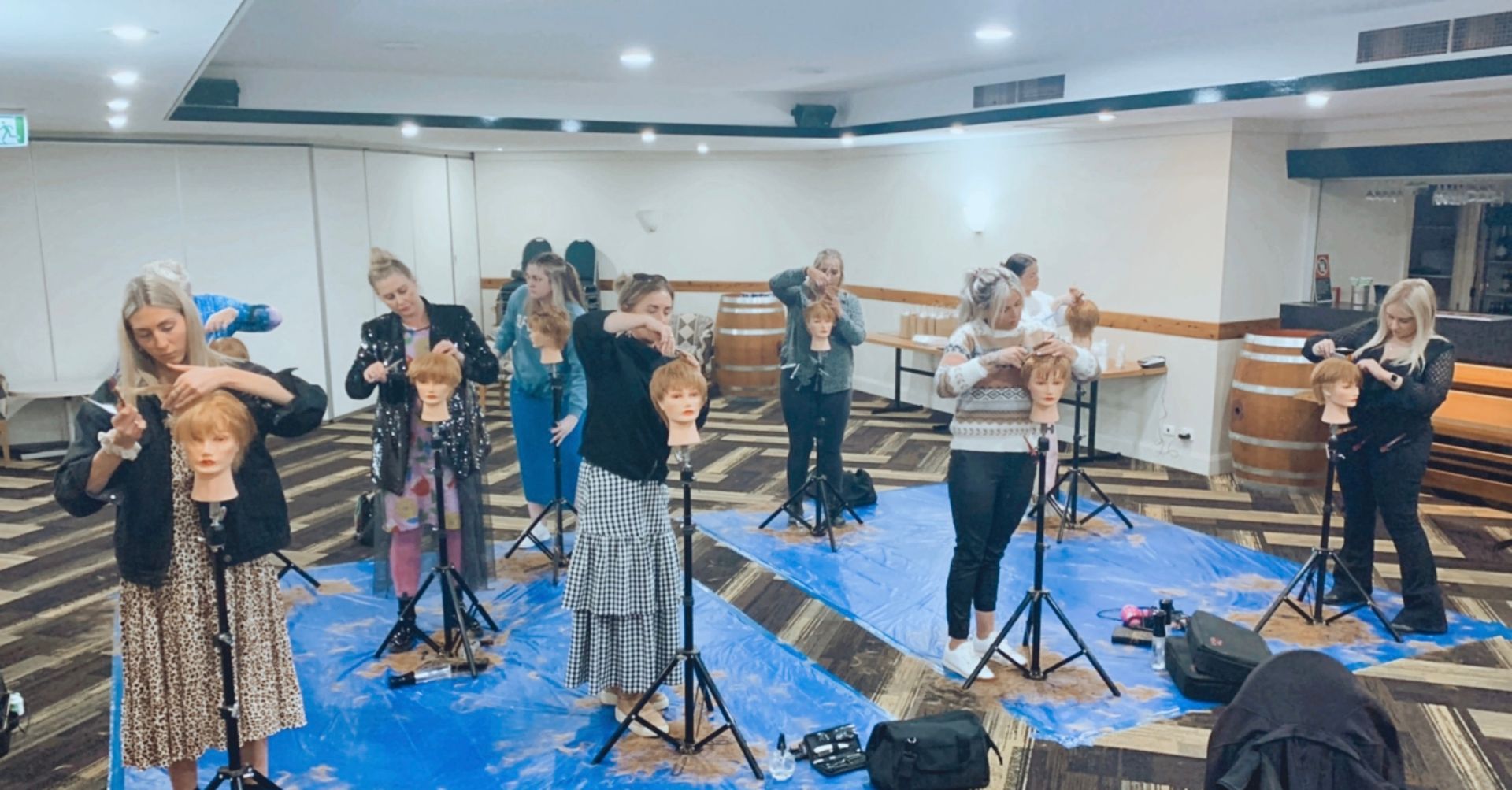
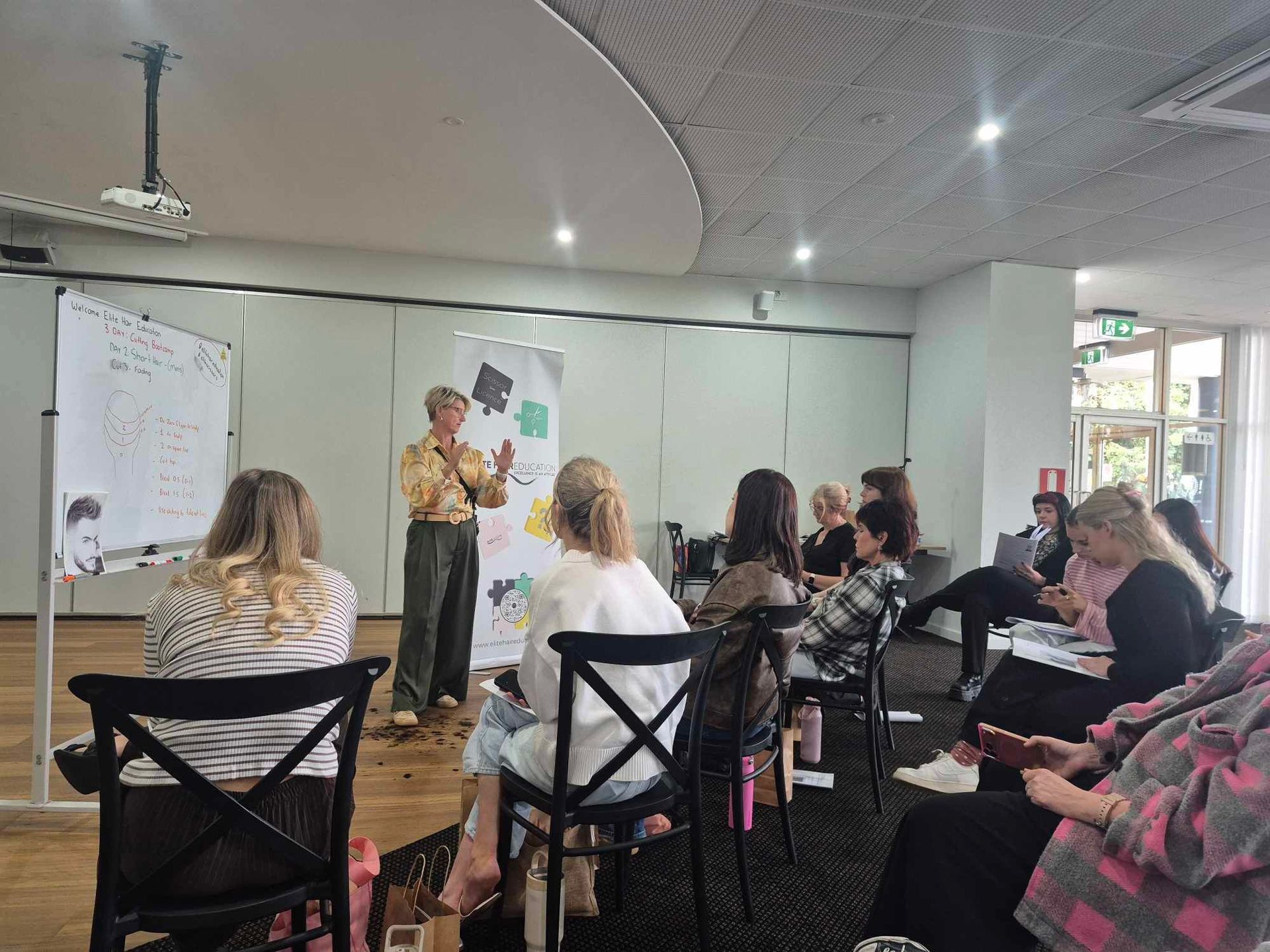
Scissor Licence is a 10-month program running across three workshops: Foundation Cutting, Bootcamp, and Finishing School. Seven full days of hands-on haircutting education, face to face with me, in a room built entirely around skill-building. 


No watching. No hoping it clicks. Just real technique, real repetition, and real confidence that transfers directly to the salon floor. 


Salon owners who send their apprentices through consistently tell me the same thing: they come back engaged, motivated, and ready to contribute. Not someday. Straight away. 


Orange is the final intake for 2026, starting May 12. Once it begins, that's it for the year. 


Is This the Right Next Step? 


If your apprentice has started their TAFE qualification and you're wondering why the confidence still isn't there — this is why. And this is the fix. 


👉 Head to elitehaireducation.com/scissor-licence to get all the details and secure your spot before Orange fills. 


What you do now will show up in your salon in three to six months. The question is — what do you want that to look like?

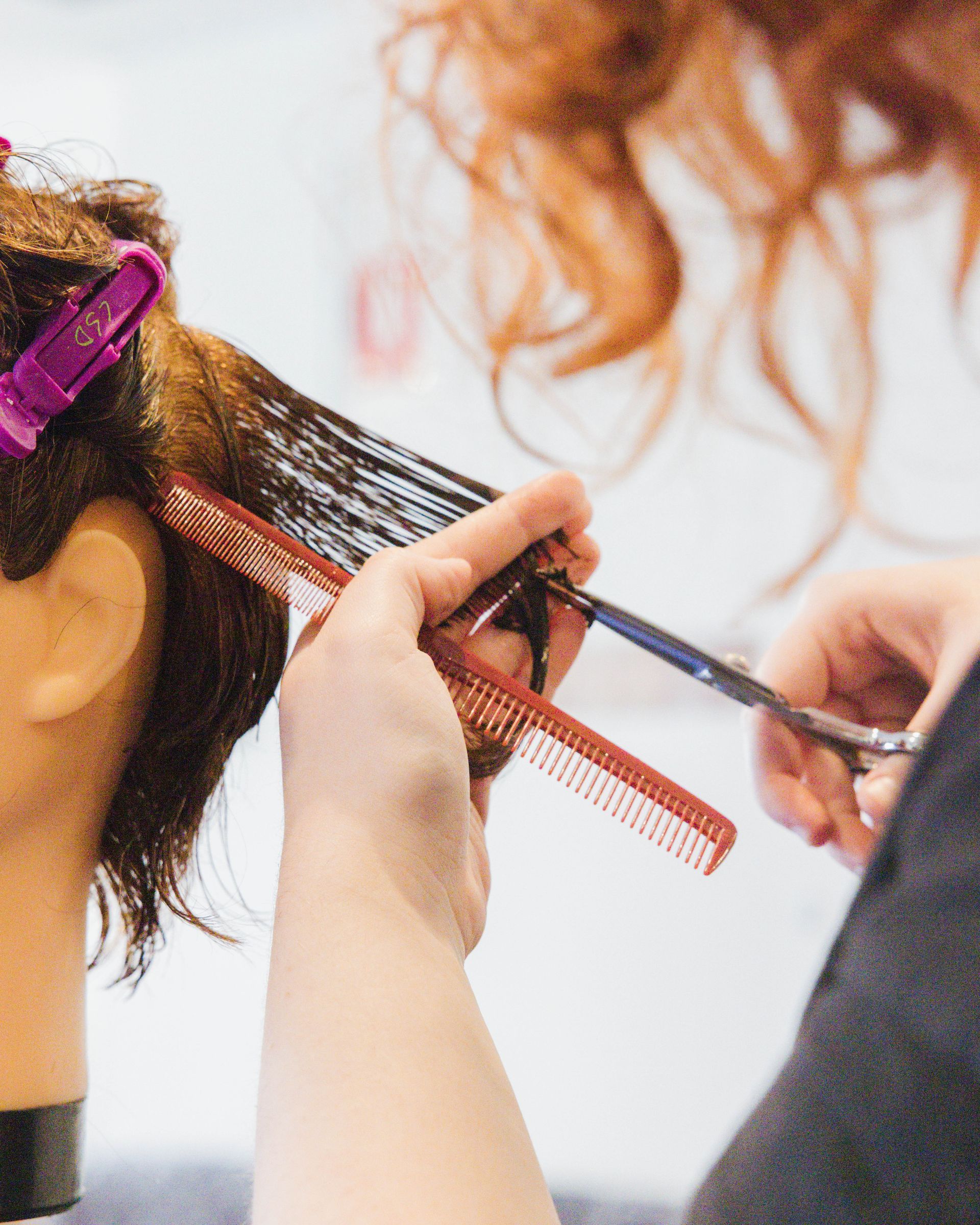
A hairdressing mannequinin a workshop room.
By Melissa Elite Hair May 4, 2026
Salon owners — here's the real cost of skipping structured haircutting education for your apprentice. And the reason why Scissor Licence will pay for itself fast.
July 30, 2021
At some point you’ll need to draw a line in the sand and put forward a clear explanation that defines your salon culture. It is essential you provide a clear definition of what is and what isn't acceptable behaviour. This clear definition will be the difference between your team performing or not. The goal is to have your salon team operating above the line at all times and maintaining consistency for you clients. Never before as a salon owner have you had to embark on as many courageous leadership decisions. Operating above the line is open and positive. It encourages the team to have ownership over the salon business, and become accountable and responsible . Operation below the line is closed and negative. It is about denial, excuses, defensiveness and blame. Becoming an above the line leader is not easy. It’s about putting systems in place so that your team are accountable for the salon making a profit. This is not an easy task, but very necessary. Here are a few of my tips to help you operate above the line: Create systems that attract the right team members, those who want to behave in an accountable way. Create a culture where everyone wants to be responsible and take ownership. Offer an education pathway to grow your team towards your salons goals. When your team aligns with the salon culture, they will enjoy being accountable and responsible for introducing colour, home care products and re-booking every client. Your education program helps build confidence within the individuals, they feel secure and understand their responsibilities.
June 16, 2021
I love these two quotes from Benjamin Franklin. “An investment in knowledge pays the best interest” & “The only thing that is more expensive than education is ignorance”. Interestingly, some enquiries regarding technical education are not taken up because the salon owner thinks the investment isn’t worth the price. A common comment is ”I pay for the training and then they leave”. Try not to confuse price with cost. Price is what you pay the provider. Cost = Investment (price) minus Return. When you embark on an education program looking at investment v’s return on a weekly basis is an eye opening view point, quality education actually costs nothing. For example, the PRICE of an investment of $3000 in cutting education over 12 months is $58 per week. If you are educating an apprentice, after six months they would start returning $500-$1500 per week. Your $58 per week investment just returned $13,000 to $39,000 it could be double the following year. There is no COST, you have a minimum profit of $10,000. Even better, when your apprentice leaves you’re miles in front, and the return in additional income, not to mention client satisfaction, would keep your salon’s cash flow and reputation positive. A majority of clients who have been surveyed over the years place value within the service, and the relationship with the salon team at the forefront of their reasons for returning, a high level of skill was an expectation that is non negotiable, your clients expect that what is advertised, will be delivered professionally every time. I was consulting recently with a salon owner who was restructuring her price list. The Salons new focus was the very lucrative and demanding demographic, Ladies 40 years plus, who have short hair and regular colour service. Her plan was to hand the new clients to her 2nd year apprentice whose cutting skills were very basic. This owner was going to give 15-20 clients per week to an undertrained apprentice, the potential income for the Cut & Color was up to $5300 per week, however the $75 per week education plan we suggested was deemed too expensive? That’s 1.4% of gross return. The problem is, you only get one go at this market, cutting skills must be exceptional. Exceptional cutting skills only come with an investment in education and lots of practice. Put bluntly, if you advertise fast haircuts, they had better be fast. If you advertise colour expertise, you had better be an expert, If you Advertise Fashion Edge Hair Styles, your teams skills had better be right on the edge of fashion. Only when you deliver what you promise, will you attract and keep your target market.
March 25, 2021
During the last three weeks of December the majority of hairdressers care for nearly everyone in their clientele. In December, the spending of many of your top clients often decreases. There is a compensation to some degree, because many clients spend more than they normally would and try to squeeze in before Christmas. Even though your cash flow can increase dramatically, increases in salon wages, due to shift allowances and overtime, along many other expense increases, can often dramatically reduce you profit. During this period when stylists are at their busiest, procedures often get thrown out the window. Stylists are more focused on getting the client out of the salon, rather than up selling, retailing and rebooking. If your consultation and booking processes aren’t managed well, you will create a sort of concertina effect, as clients cram in prior to Christmas then stretch their appointments over January. This leads into the February/March Credit Card repayment shock, followed by the School Preparation blow, wiping many clients off the map until April. Careful Budgeting and astute management is required to navigate this post Christmas period. I rarely consider average client spend as performance indicator, however over the December to March period, the average client spend for Hair Stylists with professional habits and behaviours often remains the same or higher, in this instance average client spend could suggest, organised appointment management. So let’s look at what top performing hairdressers do differently: During consultation they always discuss cut , color and home care and place the homecare products in front of the client. At the basin they always ensure that the products they have recommended are used and explained to the client. Whilst cutting the hair they advise the client when they would like to see them again based on the needs of the color and the cut frequency 4, 5, or 6 weeks. Before blow drying their clients hair they always talk about how the client will manage their hair at home. Explaining what products will be needed to achieve their goals and always use them on the client that day. When finishing styling, they always recommend the products that the client needs to use at home to keep the hair looking as great at as it does at the salon. Before the client leaves the workstation the hairdresser always closes the sale on their home maintenance recommendations. They rebook the client for their next one or two visits before they leave the salon.
Show More